
Why Take Supplements – Easing Joint Pain for Women

Waking up with aching joints can make even simple tasks feel overwhelming, especially as you balance busy days and try to stay active. For many American women in their 40s, 50s, and 60s, joint discomfort becomes a daily challenge that affects movement and quality of life. Understanding the purpose of dietary supplements empowers you to choose products that might safely support mobility and comfort, helping you create a more balanced wellness routine.
Table of Contents
- What Are Dietary Supplements And Their Purpose
- Types Of Supplements For Joint Health
- How Supplements Help Mobility And Comfort
- Safety, Regulation, And Picking The Right Product
- Common Mistakes And What To Avoid
Key Takeaways
| Point | Details |
|---|---|
| Dietary Supplements Support Health | Supplements complement a regular diet by providing essential nutrients and addressing potential deficiencies. |
| Joint Health Supplements Offer Targeted Support | Specific supplements can manage joint pain and improve mobility, particularly for women experiencing discomfort. |
| Safety and Regulation Are Crucial | Supplements are not pre-approved by regulatory bodies; consumers should research products thoroughly for safety and efficacy. |
| Avoid Common Mistakes | Self-prescribing and ignoring professional guidance can lead to health risks; always consult with a healthcare provider before use. |
What Are Dietary Supplements and Their Purpose
Dietary supplements are specialized nutritional products designed to complement your regular diet and support overall health. These products offer concentrated sources of essential nutrients like vitamins, minerals, herbs, and other beneficial compounds. Dietary supplements are products ingested to add nutritional value and can help address potential nutrient deficiencies that might occur in everyday eating patterns.
Understanding the core purpose of dietary supplements requires recognizing their fundamental role in nutrition. These products come in multiple formats including:
- Tablets and capsules for easy consumption
- Powdered mixes that can be blended into drinks
- Liquid extracts for rapid absorption
- Herbal concentrates targeting specific health needs
- Probiotic formulations supporting digestive wellness
The primary goal of dietary supplements is not to replace balanced nutrition, but to enhance and support existing dietary intake. Supplements can help improve or maintain health by providing additional nutrients that might be challenging to obtain through diet alone. Women experiencing joint pain, for instance, might use specific supplements to support joint health and mobility.
It’s crucial to understand that dietary supplements are regulated differently from medications. They are not intended to treat or cure diseases but rather to support overall nutritional wellness. Professional healthcare guidance is always recommended before starting any new supplement regimen, as individual nutritional needs can vary significantly.
Pro tip: Always consult with a healthcare professional to determine which dietary supplements might be most appropriate for your specific health goals and nutritional requirements.
Types of Supplements for Joint Health
Joint health supplements offer women targeted nutritional support to manage pain and improve mobility. Specialized supplements can help reduce inflammation and potentially slow cartilage degradation, providing natural alternatives for managing joint discomfort.
The most common supplements for joint health include:
- Glucosamine and Chondroitin: Primary building blocks for cartilage repair and maintenance
- Omega-3 Fish Oil: Powerful anti-inflammatory compound
- Curcumin: Natural extract with potent inflammation-reducing properties
- Collagen Peptides: Support joint tissue regeneration
- Boswellia Serrata: Herbal extract known for reducing joint inflammation
Supplements for osteoarthritis management can vary in effectiveness, with some showing more promising results than others. Omega-3 fatty acids, for instance, have demonstrated particular potential in managing rheumatoid arthritis symptoms by targeting inflammatory responses.
When considering joint health supplements, women should understand that these products are complementary to, not replacements for, comprehensive healthcare strategies. Individual responses can vary significantly, and what works for one person may not be equally effective for another. Consulting with healthcare professionals helps ensure safe and targeted supplementation tailored to specific health needs.
Here’s a summary comparing common joint health supplements and their unique benefits:
| Supplement Type | Primary Benefit | Typical Usage |
|---|---|---|
| Glucosamine/Chondroitin | Cartilage maintenance | Capsules/tablets |
| Omega-3 Fish Oil | Reduces inflammation | Softgels/liquids |
| Curcumin | Decreases joint discomfort | Concentrated extract |
| Collagen Peptides | Supports tissue repair | Powders/drinks |
| Boswellia Serrata | Eases joint swelling | Herbal tablets |
Pro tip: Always discuss supplement choices with your healthcare provider to create a personalized approach that addresses your unique joint health requirements.
How Supplements Help Mobility and Comfort
Physical activity and targeted supplementation can significantly improve joint health and overall mobility for women experiencing chronic discomfort. Supplements work by addressing underlying inflammatory processes and supporting joint tissue regeneration, offering a natural approach to managing pain and enhancing physical flexibility.
Key mechanisms through which supplements support mobility include:
- Reducing Inflammation: Targeting inflammatory pathways that contribute to joint stiffness
- Supporting Cartilage Repair: Providing essential nutrients for joint tissue maintenance
- Enhancing Muscle Recovery: Helping muscles and connective tissues heal more efficiently
- Improving Joint Lubrication: Supporting natural joint cushioning mechanisms
- Managing Pain Signals: Helping to modulate pain perception and response
Supplements supporting joint health can provide multiple benefits beyond simple pain relief. Omega-3 fatty acids, for instance, have demonstrated remarkable potential in reducing inflammation associated with rheumatoid arthritis, while compounds like glucosamine and chondroitin may help slow cartilage breakdown and improve overall joint function.

Understanding the complex relationship between supplements and joint health requires a holistic approach. While supplements can be powerful allies in managing mobility challenges, they work most effectively when combined with regular exercise, balanced nutrition, and professional medical guidance. Individual responses vary, making personalized strategies crucial for optimal results.
Pro tip: Consider maintaining a detailed journal tracking your supplement intake, mobility improvements, and any changes in pain levels to help your healthcare provider fine-tune your joint health strategy.
Safety, Regulation, and Picking the Right Product
Dietary supplement regulation involves a unique framework that differs significantly from pharmaceutical drug oversight. Unlike prescription medications, supplements are not pre-approved before reaching consumer markets, placing greater responsibility on manufacturers and consumers to ensure product safety and quality.
Key considerations when selecting supplements include:
- Manufacturer Reputation: Research company background and manufacturing standards
- Third-Party Testing: Look for independent certification of ingredient purity
- Ingredient Transparency: Seek products with clear, comprehensive ingredient lists
- Potential Interactions: Check for possible medication conflicts
- Scientific Evidence: Prioritize supplements with research-backed effectiveness
Consumer awareness is crucial when navigating the complex world of dietary supplements. Women should approach supplement selection with critical thinking, understanding that the FDA monitors safety post-market but does not guarantee product efficacy before sale. This means conducting personal research and consulting healthcare professionals becomes essential in making informed choices.
Navigating supplement safety requires a multifaceted approach. Professional medical guidance, careful product selection, and ongoing health monitoring can help mitigate potential risks. Women should remain vigilant, understanding that while supplements can offer valuable health support, they are not miracle solutions and should be integrated thoughtfully into overall wellness strategies.
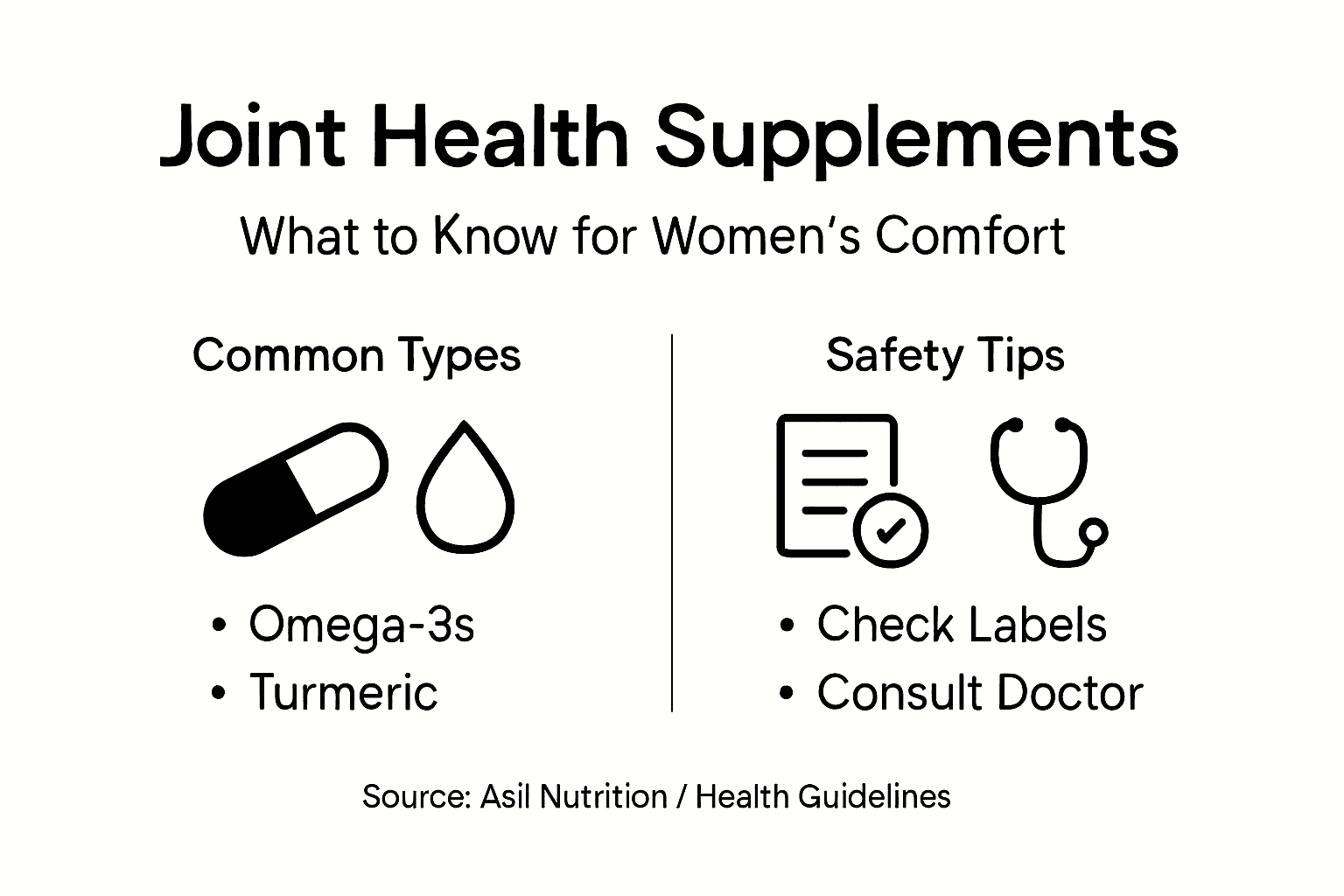
To help make informed supplement choices, here’s a reference table for safe selection strategies:
| Consideration | Why It Matters | Practical Tip |
|---|---|---|
| Reputation | Ensures product reliability | Research manufacturer online |
| Third-Party Testing | Confirms ingredient purity | Look for certification seals |
| Ingredient List | Clarifies potential allergens | Check label for full details |
| Scientific Evidence | Supports clinical effectiveness | Seek peer-reviewed studies |
Pro tip: Maintain a detailed log of all supplements you take, including dosages and any observed effects, to share comprehensively with your healthcare provider during regular check-ups.
Common Mistakes and What to Avoid
Common supplement mistakes can significantly impact women’s health and potentially lead to unexpected complications. Many women unknowingly compromise their wellness by approaching dietary supplements without critical understanding, making uninformed choices that could reduce effectiveness or create potential health risks.
Major supplement mistakes to avoid include:
- Self-Prescribing: Taking supplements without professional medical guidance
- Overlooking Interactions: Combining supplements that might conflict with each other or medications
- Ignoring Dosage Recommendations: Consuming excessive amounts thinking ‘more is better’
- Purchasing Unverified Brands: Selecting supplements without checking manufacturing standards
- Replacing Balanced Nutrition: Using supplements as meal substitutes instead of dietary complements
Supplement interactions can be dangerous when women fail to understand potential chemical conflicts. Certain combinations like calcium and iron supplements can dramatically reduce absorption, while others might dangerously interact with prescription medications, potentially creating unexpected health complications.
The complexity of supplement interactions requires a thoughtful, informed approach. Women must recognize that dietary supplements are not miraculous solutions but potential tools in a comprehensive health strategy. Professional consultation, thorough research, and careful product selection remain critical in navigating the nuanced world of nutritional supplementation.
Pro tip: Create a comprehensive list of all current medications and supplements to review with your healthcare provider, ensuring safe and effective integration.
Take Control of Joint Pain with Targeted Supplements for Women
Joint discomfort and reduced mobility can be challenging for women striving to maintain an active lifestyle. The article highlights key pain points such as inflammation, cartilage degradation, and joint stiffness that reduce comfort and flexibility. Addressing these with supplements like glucosamine, omega-3 fish oil, and curcumin can provide critical support for joint health and ease daily movement. Understanding the right supplement choices and proper dosing is essential to avoid common mistakes and ensure safe, effective relief.
Discover how our expertly crafted formulations at Our SIGNATURES – Asli Nutrition combine natural ingredients to support joint comfort and mobility.
Explore our Best Sellers – Asli Nutrition for trusted options that help manage joint pain naturally. Visit https://aslinutrition.store today and start your journey toward renewed joint health. Act now to regain comfort and improve your quality of life with supplements designed specifically for women seeking relief and greater mobility.
Frequently Asked Questions
What are dietary supplements for joint pain?
Dietary supplements for joint pain are specialized nutritional products designed to support joint health. They typically contain essential nutrients, such as glucosamine, chondroitin, omega-3 fatty acids, and curcumin, which help reduce inflammation and promote cartilage repair.
How do joint health supplements work?
Joint health supplements work by targeting underlying inflammatory processes, providing essential nutrients for cartilage maintenance, and enhancing joint lubrication. This can help reduce discomfort and improve mobility for individuals experiencing joint pain.
Are there any side effects associated with joint health supplements?
While many joint health supplements are generally safe, potential side effects can include digestive issues, allergic reactions, or interactions with medications. It’s essential to consult a healthcare provider before starting any supplement regimen to ensure safety and suitability for your specific health needs.
How can I determine which joint health supplement is right for me?
Choosing the right joint health supplement involves considering your specific health goals and needs. Factors such as current medications, potential allergies, and individual responses to certain ingredients should all be discussed with a healthcare professional for tailored advice.