
Turmeric’s Impact on Joint Health for Women

Stiff knees and aching hips can turn everyday activities into daily hurdles for many American women over 40. Joint pain often signals inflammation that limits movement and enjoyment. Many are searching for gentle, natural answers. Turmeric and its active compound curcumin are gaining attention for their anti-inflammatory and antioxidant properties that support joint comfort. This guide clarifies how turmeric works in the body, explains the science behind its benefits, and helps you make smarter choices for lasting joint health.
Table of Contents
- Turmeric and Curcumin Explained
- How Turmeric Affects Joint Pain and Function
- Types of Turmeric Supplements and Bioavailability
- Comparing Turmeric With Conventional Treatments
- Risks, Common Mistakes, and Safety Tips
Key Takeaways
| Point | Details |
|---|---|
| Curcumin’s Benefits | Curcumin, the active compound in turmeric, has anti-inflammatory and antioxidant properties that support joint health. Regular supplementation can enhance mobility and reduce discomfort. |
| Bioavailability Concerns | Curcumin has low absorption on its own; combining it with black pepper increases its bioavailability significantly, making effective supplementation crucial. |
| Supplement Types | Not all turmeric supplements are effective; those with piperine or advanced formulations offer higher absorption rates and better therapeutic benefits. |
| Safety Considerations | It’s important to start with recommended doses and consult healthcare providers, as excessive intake can lead to adverse effects. |
Turmeric and Curcumin Explained
Turmeric comes from the Curcuma longa plant, a member of the ginger family that’s been used for centuries in Asian medicine traditions. You’ve likely seen this bright yellow spice in your kitchen, but what makes it special for joint health goes far deeper than flavor.
The real power lies in curcumin, the active compound responsible for turmeric’s health benefits. Curcumin exhibits anti-inflammatory and antioxidant properties that address the root cause of joint discomfort many women experience after 40.
Here’s what curcumin actually does in your body:
- Reduces inflammatory responses in joint tissues
- Protects cells from oxidative stress and damage
- Supports cartilage health and flexibility
- May ease stiffness that interrupts your morning routine
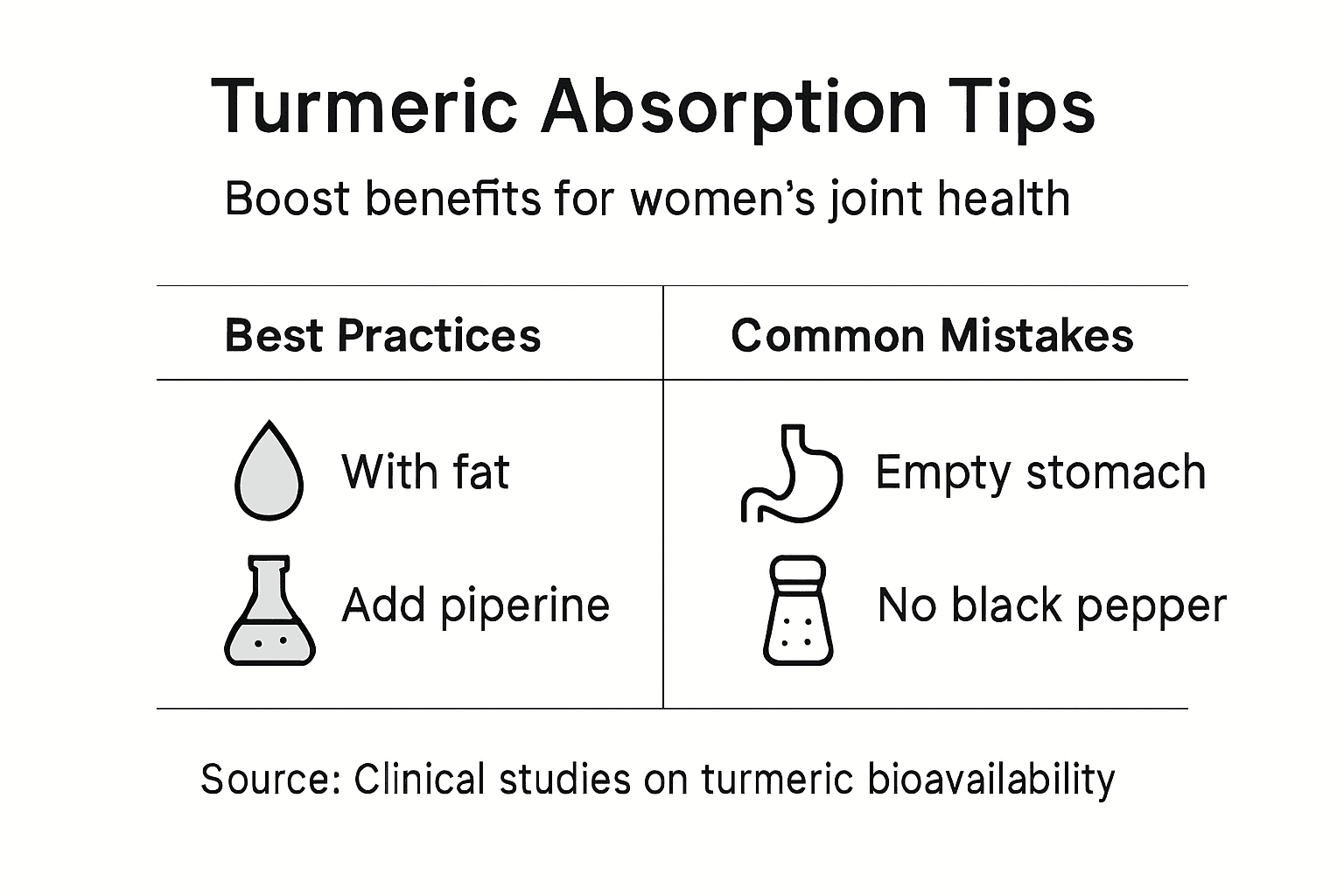
But here’s where most people get stuck: curcumin has a bioavailability problem. Your body doesn’t absorb it well on its own. Research shows that combining turmeric with black pepper significantly enhances absorption, since piperine (the active compound in black pepper) acts like a cellular door opener for curcumin.
This matters because low bioavailability means you need smart supplementation choices. Turmeric tea alone won’t deliver enough curcumin to make a real difference for your joints. Most quality supplements pair turmeric with piperine specifically to solve this problem.
Understanding the Research on Joint Health
Scientific studies show turmeric may reduce knee osteoarthritis pain and stiffness, which is the most common joint complaint women mention after 50. The research isn’t definitive yet, but the evidence keeps growing as more studies document real improvements in movement and comfort.
Women in their 40s and 50s report benefits like:
- Better morning mobility without that stiff feeling
- Reduced aching after activity
- Improved range of motion in shoulders and hips
- Less reliance on other pain management strategies
When combined with proper absorption enhancers like black pepper, curcumin shows measurable improvements in joint flexibility and comfort levels within 4 to 8 weeks of consistent use.
Pro tip: Take turmeric supplements with a meal containing healthy fats (olive oil, avocado, or nuts) to further boost absorption, and pair it with black pepper for maximum effectiveness.
How Turmeric Affects Joint Pain and Function
When turmeric enters your body, curcumin gets to work addressing the inflammation driving your joint discomfort. This isn’t just about pain relief—it’s about restoring the function that lets you move freely again.
Your joints experience pain partly because inflammatory compounds build up in the tissue surrounding cartilage and bone. Curcumin tackles this at the cellular level by blocking inflammatory pathways that trigger swelling and stiffness. This mechanism explains why women often report improvements in morning mobility within weeks of consistent supplementation.
Here’s what happens when turmeric works effectively:
- Reduces inflammatory molecules called cytokines in your joints
- Protects cartilage from further breakdown
- Eases the stiffness that makes getting out of bed difficult
- Improves your ability to walk, climb stairs, and exercise
Clinical studies on knee osteoarthritis—the most common joint problem women experience—show meaningful results. Research indicates positive effects on joint pain relief and mobility, with some women reporting noticeable improvements in 4 to 8 weeks.
The Function Factor
Pain relief matters, but function matters more. You want to garden without wincing, play with grandchildren without limitation, and sleep through the night without joint aching. Turmeric addresses both the pain and the underlying stiffness preventing normal movement.
Women report these functional improvements:
- Increased range of motion in shoulders and hips
- Better grip strength for everyday tasks
- Reduced need to modify favorite activities
- Improved sleep quality without nighttime aching
Turmeric works as a complementary therapy, meaning it works best alongside movement, strength training, and healthy weight management for maximum joint function restoration.
The antioxidant activity in curcumin also slows the oxidative stress that accelerates joint aging. Over time, this means less rapid cartilage deterioration and better long-term joint health.
Pro tip: Pair your turmeric supplement with gentle movement like walking or swimming to amplify its effects on joint function—the combination produces better results than either approach alone.
Types of Turmeric Supplements and Bioavailability
Not all turmeric supplements work equally. The supplement sitting on your shelf might contain curcumin, but your body may absorb only a fraction of it. This bioavailability problem separates effective supplements from expensive placebos.

Standard turmeric powder contains curcumin, but the amount your intestines actually absorb is disappointingly low. Your body processes and eliminates curcumin rapidly, meaning most of it passes through without delivering benefits. This is why turmeric tea alone won’t resolve your joint pain.
Enhanced Formulations That Work
Piperine-enhanced formulations pair turmeric with black pepper extract. Piperine blocks the enzymes that normally break down curcumin, allowing your body to absorb significantly more. Studies show this combination increases bioavailability by up to 2,000 percent compared to turmeric alone.
Beyond piperine, supplement manufacturers use advanced technologies to boost absorption:
- Liposomal formulations wrap curcumin in lipid molecules for better intestinal penetration
- Nanotechnology creates nano-scaled particles improving absorption rates
- Solubilized versions help curcumin dissolve better in your digestive tract
- Complex combinations pair turmeric with ginger and other botanicals for synergistic effects
These formulations directly address the absorption problem, meaning you get more therapeutic benefit from smaller doses.
Here’s how different turmeric supplement types compare for joint health:
| Supplement Type | Absorption Rate | Typical Use Case | Key Advantage |
|---|---|---|---|
| Standard Powder | Low | Everyday cooking | Readily available, inexpensive |
| With Piperine | Very High | Joint supplements | Up to 20x better absorption |
| Liposomal | High | Advanced formulations | Enhanced fat-based delivery |
| Nano-curcumin | Highest | Specialized products | Superior cellular uptake |
| Solubilized | Moderate | Newer supplements | Improved digestive absorption |
What to Look For on Labels
Curcuminoid content matters most. Quality supplements specify the percentage of curcuminoids (typically 95% standardized extract). Cheaper products list only “turmeric powder” without specifying curcumin concentration.
Check for these bioavailability boosters:
- Black pepper extract (piperine) listed as an ingredient
- Standardized curcuminoid percentage mentioned
- Third-party testing certifications visible
- Clear dosage instructions for joint health applications
High-bioavailability formulations may increase absorption so effectively that dose safety becomes a consideration, making quality ingredients and proper dosing critical for long-term use.
Your body’s ability to absorb curcumin also depends on taking supplements with fat-containing meals. Curcumin is fat-soluble, meaning olive oil, nuts, or avocado significantly enhance absorption.
Pro tip: Choose supplements with piperine and take them with a meal containing healthy fats to maximize absorption—this combination can increase your body’s curcumin utilization by more than tenfold.
Comparing Turmeric With Conventional Treatments
You’ve probably taken ibuprofen or naproxen for joint pain. These NSAIDs work quickly by blocking inflammation, but they come with trade-offs that matter for long-term use. Turmeric offers a different approach worth understanding.
Conventional NSAIDs like ibuprofen reduce pain within hours by suppressing inflammatory enzymes. They’re effective for acute flare-ups, but regular use increases risks of stomach ulcers, kidney damage, and cardiovascular problems—especially concerning for women over 50 who already face health vulnerabilities.
Turmeric works differently. Instead of harsh suppression, curcumin gradually reduces the inflammatory compounds driving joint deterioration. Some studies suggest turmeric may provide pain relief comparable to NSAIDs with fewer systemic side effects. This makes it particularly valuable for chronic joint issues requiring long-term management.
The Complementary Approach
Here’s the critical distinction: turmeric is not a replacement for conventional medicine. Rather, it works best as a complementary strategy alongside physical therapy, weight management, and medical treatments when prescribed.
Consider these practical combinations:
- Use NSAIDs for acute flare-ups while building turmeric into daily routine
- Pair turmeric supplements with prescribed joint medications
- Combine turmeric with physical therapy for enhanced mobility restoration
- Integrate turmeric with hot/cold therapy and exercise regimens
Side Effect Profiles Matter
NSAIDs carry documented risks that accumulate over months and years of use. Turmeric supplements, when taken at recommended doses, typically show excellent safety profiles. However, very high doses may pose liver concerns, making proper dosing and healthcare provider consultation essential.
Key differences between approaches:
- Turmeric supports healing and addresses root inflammation gradually
- NSAIDs suppress pain quickly but don’t address underlying damage
- Turmeric has minimal side effects at appropriate doses
- NSAIDs increase risks of gastrointestinal and cardiovascular issues
The most effective strategy combines conventional treatments with natural supplements like turmeric, creating a comprehensive approach that addresses both immediate pain and long-term joint health.
Women who integrate turmeric early often reduce their reliance on NSAIDs over time, achieving better pain control with fewer medications.
Here is a quick reference showing turmeric versus common NSAIDs for joint support:
| Aspect | Turmeric (Curcumin) | Conventional NSAIDs |
|---|---|---|
| Onset of Relief | Slow (weeks) | Fast (hours) |
| Long-term Safety | High at recommended doses | GI, kidney, heart risks with chronic use |
| Addresses Root Cause | Yes, reduces inflammation | No, mainly masks pain |
| Common Side Effects | Mild digestive upset | Ulcers, cardiovascular issues |
| Best Use | Daily support, prevention | Acute pain episodes |
Pro tip: Always consult your healthcare provider before combining turmeric supplements with prescription medications, since some interactions are possible and dosing adjustments may be needed.
Risks, Common Mistakes, and Safety Tips
Turmeric feels safe because it’s a food spice. This perception creates dangerous assumptions that lead women to take excessive doses without monitoring for problems. Understanding real risks protects your health.
Turmeric in culinary amounts is genuinely safe. That pinch in your curry poses no threat. Concentrated supplements are different. High-dose turmeric can cause liver damage, kidney stones, and gastrointestinal issues, especially in women with preexisting conditions.
The biggest mistake? Assuming more equals better. Higher doses do not increase joint benefits—they increase risk of adverse effects. Many women take triple the recommended amount, thinking they’ll heal faster. This backfires.
Common Mistakes to Avoid
These missteps undermine both safety and effectiveness:
- Taking excessive doses without medical guidance
- Ignoring liver toxicity risks with high bioavailability formulations
- Not disclosing turmeric use to healthcare providers
- Starting supplements without understanding your medication interactions
- Choosing supplements without quality verification
- Taking turmeric on an empty stomach (reduces absorption and increases GI upset)
Who Needs Extra Caution
Certain women face higher risks and require medical consultation before starting turmeric:
- Those with liver disease or kidney problems
- Women taking blood thinners or diabetes medications
- Anyone with gallstones or bile duct issues
- Those scheduled for surgery (stop 2 weeks before)
- Women on iron supplements (separate dosing by 4 hours)
Starting at standard doses (500-1,000 mg daily) and monitoring for side effects prevents most problems, while healthcare provider consultation ensures safe integration with your existing medications.
Practical Safety Guidelines
These steps keep turmeric beneficial without hidden risks:
- Start with recommended doses, not megadoses
- Take supplements with food containing healthy fats
- Space turmeric away from other medications by 4 hours
- Watch for nausea, stomach upset, or headaches
- Get liver function tested annually if taking long-term
- Buy from reputable companies with third-party testing
- Tell your doctor you’re using turmeric supplements
Pro tip: Begin with 500 mg daily for two weeks, then gradually increase to 1,000 mg if well-tolerated, while monitoring your body’s response and discussing any concerns with your healthcare provider.
Restore Your Joint Freedom with Targeted Turmeric Support
If you are struggling with joint stiffness, aching, or limited mobility after 40, you are not alone. The anti-inflammatory power of curcumin in turmeric offers hope but only when paired with proper absorption enhancers like piperine and healthy fats. At ASLI Nutrition, we understand the frustration of seeking real relief from joint discomfort while wanting to avoid the long-term risks of conventional treatments. Our high-bioavailability turmeric supplements are designed to maximize curcumin absorption so you can experience improved flexibility, reduced stiffness, and better daily function without compromise.
Discover how ASLI Nutrition makes turmeric supplementation simple and effective. Don’t settle for ineffective powders or teas that your body cannot absorb. Take advantage of formulations crafted with clinically supported piperine and quality ingredients. Visit ASLI Nutrition today to explore supplements tailored specifically for joint health and start your journey toward pain-free movement. Your joints deserve the best care—act now to support lasting comfort and mobility.
Frequently Asked Questions
What is the difference between turmeric and curcumin in relation to joint health?
Turmeric is a spice that comes from the Curcuma longa plant, while curcumin is the active compound in turmeric responsible for its health benefits, including anti-inflammatory and antioxidant effects that can help reduce joint discomfort.
How can I improve the absorption of curcumin for better joint health?
To enhance the absorption of curcumin, it’s effective to take it with black pepper, which contains piperine. Consuming curcumin with healthy fats, such as olive oil or avocados, can also significantly boost absorption rates.
What are the potential benefits of turmeric supplements for women over 40?
Women over 40 may experience benefits such as reduced morning stiffness, improved joint mobility, and decreased reliance on additional pain management strategies when supplementing with turmeric, especially when combined with piperine for better absorption.
Are there any risks or side effects associated with taking turmeric supplements?
Most turmeric supplements are safe when taken at recommended doses; however, extremely high doses can pose risks such as liver damage and gastrointestinal issues. It’s important to consult with a healthcare provider before starting any supplementation, especially for those with existing health conditions.