
How to Combine Supplements for Joint Pain Relief

Finding the right combination of supplements to ease joint pain can feel overwhelming, especially when every option claims to be the solution. Women in the United States often face aches that disrupt daily routines and limit movement, making relief a top priority. With so many choices and mixed research results, a clear, personalized approach is essential. Targeted supplementation offers hope for improved comfort and mobility with the right steps toward safety and effectiveness.
Table of Contents
- Step 1: Assess Current Supplements And Health Needs
- Step 2: Consult Healthcare Professional For Advice
- Step 3: Select Optimal Supplement Combinations
- Step 4: Establish A Consistent Supplementation Schedule
- Step 5: Monitor Joint Pain Relief And Mobility
Quick Summary
| Key Point | Explanation |
|---|---|
| 1. Assess Your Health Needs | Begin with a medical evaluation to identify deficiencies and individual joint pain symptoms. This an essential first step for effective supplementation. |
| 2. Seek Professional Guidance | Consult a healthcare professional to ensure safe supplement combinations, dosage recommendations, and to avoid interactions with current medications. |
| 3. Monitor Progress Regularly | Track pain levels, mobility, and supplement effectiveness consistently to understand what works best for your joint health. |
| 4. Create a Supplement Schedule | Establish a consistent routine for taking supplements, coordinating dosage times with meals, to maximize benefits and adherence. |
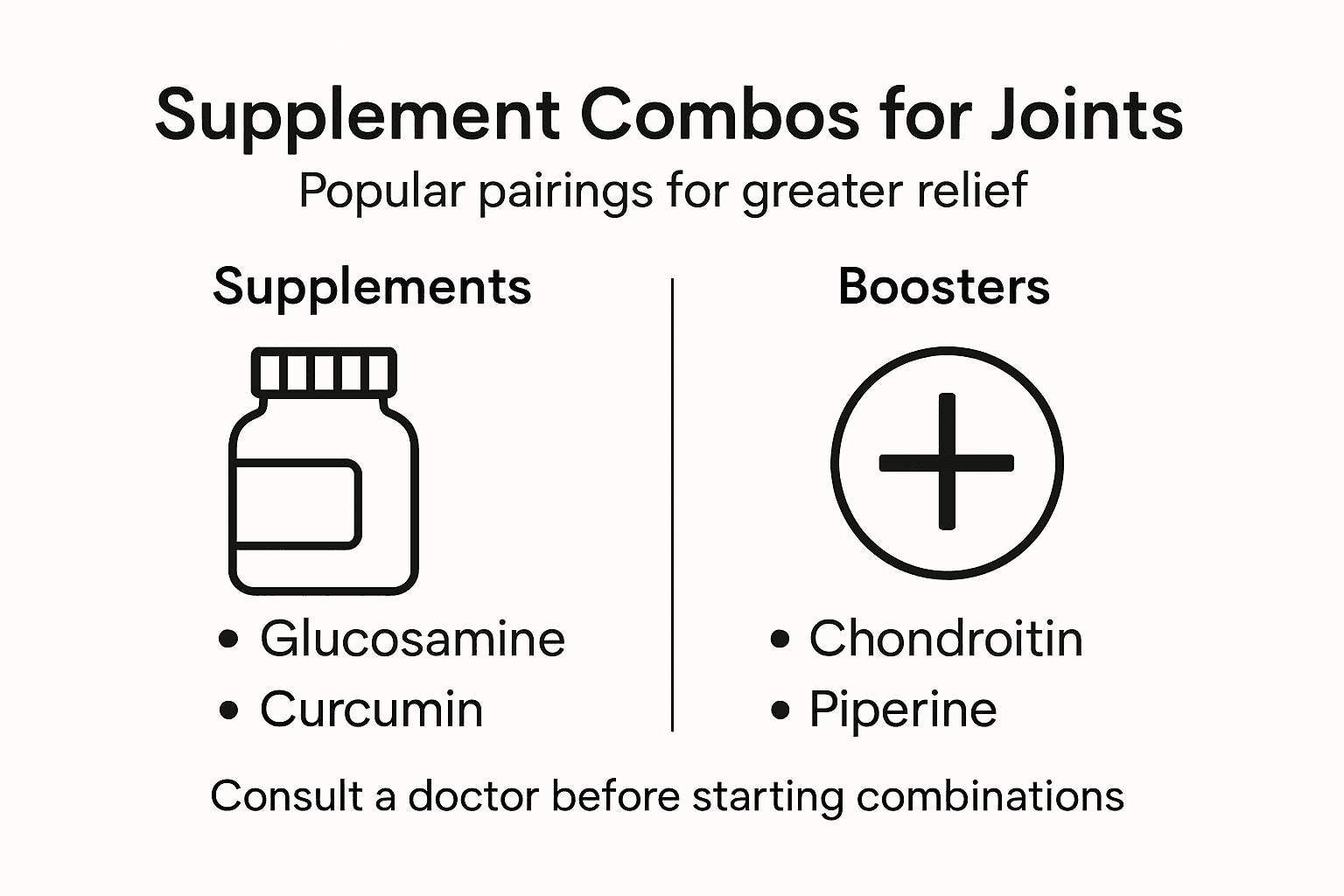
| 5. Focus on Targeted Combinations | Utilize complementary supplements like glucosamine and chondroitin or curcumin with piperine for enhanced joint relief. |
Step 1: Assess current supplements and health needs
Navigating joint pain relief starts with a comprehensive assessment of your current supplement routine and overall health status. Understanding your specific nutritional needs is crucial for developing an effective supplement strategy that targets joint discomfort and supports long-term mobility.
Starting this process requires a strategic approach. First, comprehensive medical evaluation with a healthcare professional helps identify underlying nutrient deficiencies and potential interactions. Many women experience joint pain differently, so personalized testing becomes essential. During this assessment, you’ll want to discuss:
- Your current diet and nutritional intake
- Existing supplement regimen
- Specific joint pain symptoms and locations
- Medical history related to inflammation or arthritis
- Current medications and potential supplement interactions
Research suggests certain supplements show promising results for joint health. Targeted supplementation can include compounds like glucosamine, chondroitin, omega-3 fatty acids, curcumin, and collagen. However, not all supplements work identically for every individual. Your healthcare provider can help determine which combinations might work best for your specific joint health needs.
Here’s a quick summary of popular supplements and their primary benefits for joint health:
| Supplement | Key Benefit | Common Combination |
|---|---|---|
| Glucosamine | Supports cartilage health | Chondroitin |
| Chondroitin | Enhances joint lubrication | Glucosamine |
| Omega-3 Fatty Acids | Reduces inflammation | Collagen Peptides |
| Curcumin | Anti-inflammatory action | Piperine |
| Collagen Peptides | Supports tissue repair | Omega-3 Fatty Acids |
| Boswellia Extract | Further reduces inflammation | Vitamin D |
Personalized supplementation is more effective than a one-size-fits-all approach.
Blood tests and diagnostic screenings can reveal critical information about inflammation levels, nutritional deficiencies, and potential underlying conditions contributing to joint pain. These insights help create a precise, targeted supplement strategy tailored to your unique health profile.
Pro tip: Keep a detailed journal of your joint pain symptoms, supplement intake, and any changes in mobility to track your progress effectively.
Step 2: Consult healthcare professional for advice
Navigating the complex world of joint pain supplements requires expert guidance from a healthcare professional who understands your unique medical history and specific health needs. Professional medical consultation serves as a critical first step in developing a safe and effective supplement strategy.
When scheduling your consultation, be prepared to discuss your comprehensive health profile. Your healthcare provider will help you understand potential supplement interactions, recommended dosages, and personalized treatment approaches. During the appointment, be ready to share:
- Complete list of current medications
- Existing medical conditions
- Prior supplement or treatment experiences
- Specific joint pain symptoms and locations
- Family history of arthritis or inflammation
Medical expertise is crucial because many supplements can interact unpredictably with existing medications or health conditions. Healthcare providers can help you:
- Identify potential risks
- Recommend scientifically validated supplements
- Determine appropriate dosages
- Monitor potential side effects
- Create an integrated treatment plan
Not all supplements are created equal, and professional guidance can prevent potential health complications.
Some healthcare providers might recommend comprehensive supplement assessment through additional diagnostic tests. These screenings can reveal underlying nutritional deficiencies or inflammation markers that inform your supplement strategy.
Pro tip: Bring a detailed symptom journal and list of current supplements to your appointment to facilitate a more thorough and personalized consultation.
Step 3: Select optimal supplement combinations
Selecting the right supplement combinations for joint pain relief requires a strategic approach that balances scientific evidence with personalized health needs. Supplement synergy research suggests that certain combinations can enhance overall joint health more effectively than individual supplements.
When considering supplement combinations, focus on complementary compounds that work together to address different aspects of joint discomfort. Some powerful combinations include:
- Glucosamine and chondroitin: Support cartilage health and joint lubrication
- Curcumin with piperine: Enhance anti-inflammatory effects and absorption
- Omega-3 fish oils and collagen peptides: Reduce inflammation and support joint tissue repair
- Boswellia extract with vitamin D: Provide additional anti-inflammatory support
Strategic supplement pairing can amplify potential benefits. For instance, curcumin works more effectively when combined with piperine, a compound that significantly increases its absorption and bioavailability. Similarly, omega-3 fatty acids can complement other joint health supplements by reducing overall inflammation.
Not all supplement combinations work equally for everyone - individual response varies significantly.
Research indicates that supplement interactions can be complex. Some combinations may enhance effectiveness, while others might diminish potential benefits or create unexpected interactions. This complexity underscores the importance of professional guidance and careful selection.
Consider factors like:
- Your specific joint pain symptoms
- Underlying health conditions
- Current medications
- Potential absorption and interaction challenges
Pro tip: Start with lower doses of new supplement combinations and monitor your body’s response carefully to identify any potential side effects or interactions.
Step 4: Establish a consistent supplementation schedule
Creating a reliable supplement routine is crucial for maximizing potential joint pain relief and ensuring your body receives consistent nutritional support. Supplement dosing strategies reveal that consistent intake over extended periods is key to observing meaningful results.
Developing an effective supplementation schedule requires careful planning and consideration of several important factors:
- Time of day: Choose a consistent time for supplement intake
- Meal coordination: Determine whether supplements should be taken with or without food
- Dosage timing: Space multiple supplements appropriately
- Individual supplement requirements: Note specific intake instructions
Tracking your supplement routine becomes critical for long-term success. Many supplements require continuous use over months to demonstrate potential benefits. Consider using a dedicated pill organizer or digital tracking app to maintain consistency and monitor your progress.
Consistency matters more than sporadic, high-dose supplementation.
Research indicates that supplement effectiveness depends on regular intake ranging from 50 mg to several grams daily. The specific dosage will vary based on:
- Type of supplement
- Your individual health condition
- Recommendations from healthcare providers
- Specific joint pain symptoms
Strategic scheduling involves creating a routine that fits seamlessly into your daily life. Some women find morning intake most convenient, while others prefer evening supplements. The key is finding a schedule you can maintain consistently.

Pro tip: Set daily smartphone reminders and keep your supplements in a visible, easily accessible location to help maintain your new supplementation routine.
Step 5: Monitor joint pain relief and mobility
Tracking your progress is essential for understanding how supplement combinations impact your joint health and mobility. Mobility assessment strategies provide structured approaches to measuring your improvement over time.
Effective monitoring requires a comprehensive tracking system that goes beyond simply noting pain levels. Develop a systematic approach to documenting your joint health journey:
- Pain intensity: Rate pain on a consistent 1-10 scale
- Range of motion: Track specific movements and flexibility
- Daily function: Note changes in activities like walking or climbing stairs
- Supplement impact: Record how different combinations affect symptoms
Quantitative tracking becomes your roadmap to understanding joint health improvements. Consider using digital tools or a dedicated journal to record consistent, objective measurements. Many women find smartphone apps or simple spreadsheets helpful for tracking progress.
Compare common supplement routines and their effectiveness monitoring approaches:
| Routine Strategy | Tracking Method | Adjustment Frequency |
|---|---|---|
| Single supplement | Simple symptom journal | Monthly review |
| Multi-supplement combo | Digital app with reminders | Bi-weekly with provider |
| Alternating supplements | Spreadsheet with dosage notes | Weekly self-assessment |
Small, consistent improvements matter more than dramatic but inconsistent changes.
Research supports standardized mobility assessment tools that help patients objectively measure their progress. These tools can include:
- Detailed mobility scoring systems
- Functional movement assessments
- Pain and inflammation tracking
- Supplement effectiveness indicators
Regular documentation allows you to identify patterns, understand supplement effectiveness, and make informed decisions about your joint health strategy. Aim to assess your progress monthly, noting any significant changes or consistent improvements.
Pro tip: Take monthly photos of your range of motion and keep a digital or physical pain and mobility journal to create a visual and written record of your joint health journey.
Unlock Lasting Joint Comfort with Thoughtful Supplement Combinations
Struggling with joint pain relief can feel overwhelming when choosing the right supplements to combine. This article highlights the challenge of finding effective combinations like glucosamine with chondroitin or curcumin paired with piperine that truly support cartilage health and reduce inflammation. Many people face uncertainty about dosing, absorption, and tracking progress, which can delay the relief they deserve. At Asli Nutrition, we understand these struggles and offer carefully crafted formulas to simplify your supplement routine and help you stay consistent.
Explore our Our SIGNATURES – Asli Nutrition collection to discover synergistic blends designed to support joint mobility and comfort. With trusted products featured in our Best Sellers – Asli Nutrition, you can confidently start your journey to improved joint health today. Visit https://aslinutrition.store now to experience supplements formulated to work together effectively. Take control of your joint health routine and begin noticing the difference consistent, strategic supplementation can make.
Frequently Asked Questions
How can I assess my current supplements for joint pain relief?
Start by reviewing your current supplement routine and dietary intake with a healthcare professional. Document your specific joint pain symptoms, and consider getting blood tests to identify any deficiencies that may affect your joint health.
What are effective supplement combinations for joint pain relief?
Effective combinations include Glucosamine with Chondroitin for cartilage support and Curcumin with Piperine to enhance absorption and anti-inflammatory effects. Aim to start with one or two combinations and monitor their impact on your joint pain over a few weeks.
How should I establish a consistent supplement schedule?
Create a daily routine by choosing specific times for supplement intake and noting any meal coordination. For best results, take each supplement at similar times daily, like every morning, and maintain this schedule for at least 30 days to assess its effectiveness.
How can I track the effectiveness of my supplements for joint pain?
Develop a system to monitor aspects such as pain intensity, range of motion, and daily physical function. Use a journal or an app to log these details consistently, and review your progress every month to identify successful combinations or necessary adjustments.
What should I do if I experience side effects from my supplements?
If you notice any side effects after starting a new supplement combination, stop taking them immediately and consult your healthcare provider. They can help you evaluate the cause and suggest alternate combinations that may be better suited to your health needs.
How long should I continue taking supplements for joint pain relief?
Most supplements require consistent use over several months to show significant results. Commit to your supplement schedule for at least 60 days, then evaluate their impact with your healthcare provider to determine if you should continue or adjust your intake.